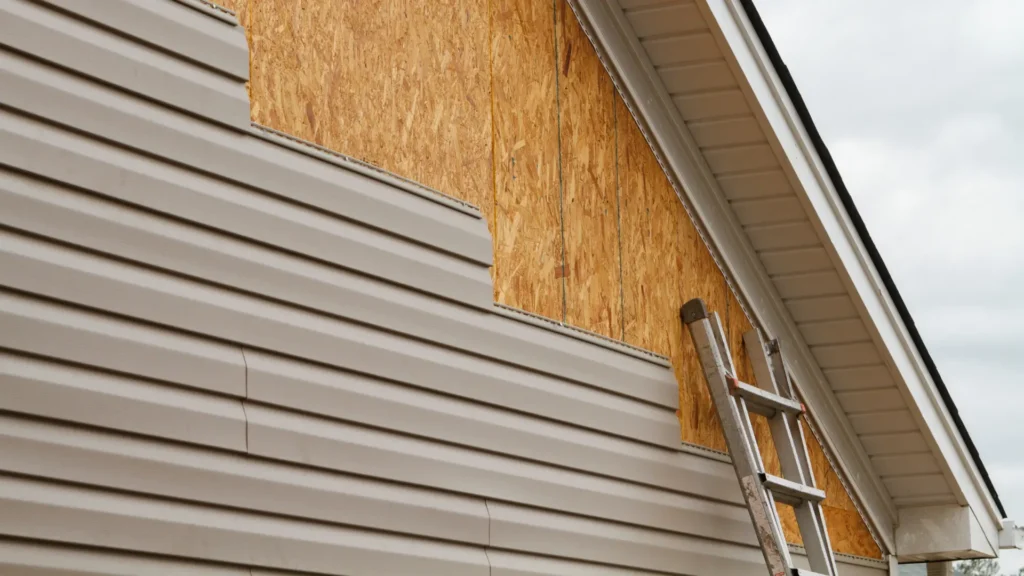
Welcome to your complete guide on recladding costs in Auckland, where you’ll learn what influences the price, how to budget with confidence, and what to expect when you start planning work on your home. You’ll see how materials, labour, house size, and hidden repairs shape the final cost so you can make clear decisions without guesswork. You’ll also find tips that help you compare quotes, avoid common mistakes, and choose options that fit your goals. If you’re thinking about recladding your Auckland property, this guide gives you a simple overview written in plain language so you understand what you’re paying for and how to get real value from your project.
Recladding costs in Auckland often range from mid to high five-figure totals, depending on materials, house size, labour rates, and the condition of the existing structure. Homes needing repairs for leaks, rot, or damaged framing generally sit at the higher end. Clear quotes from licensed contractors help you understand exact costs for your specific property.
Table of Contents
What Is Recladding?
Recladding is the process of removing old exterior cladding from a home and installing new materials that protect the structure and improve its overall condition. It gives your property a fresh outer layer while addressing issues that often develop in Auckland’s climate.
Why Homeowners Choose Recladding
Many Auckland homeowners decide to reclad when they notice damage or early signs of failure. Wear and tear builds up over time, especially in areas exposed to constant rain. Leaks are another common trigger, as moisture can enter through weakened panels and lead to hidden decay. Some homeowners choose recladding to update the look of their home, while others need it to meet building requirements. Weatherproofing is also a major factor because reliable cladding keeps the structure dry and stable.
Different Homes Need Different Recladding Approaches
The type of home you own affects how recladding is handled. Houses with older materials may need more careful removal and repair before new cladding goes on. Apartments or multi-storey buildings require extra planning for access and safety. Newer builds might only need surface improvements, while older homes could reveal deeper issues once the panels come off. Each property requires a tailored method to ensure the new exterior lasts and performs well in Auckland conditions.
A clear understanding of what recladding involves helps you make better choices as you plan your project. In the next section, you’ll see how costs vary and what shapes the price for most Auckland homes.
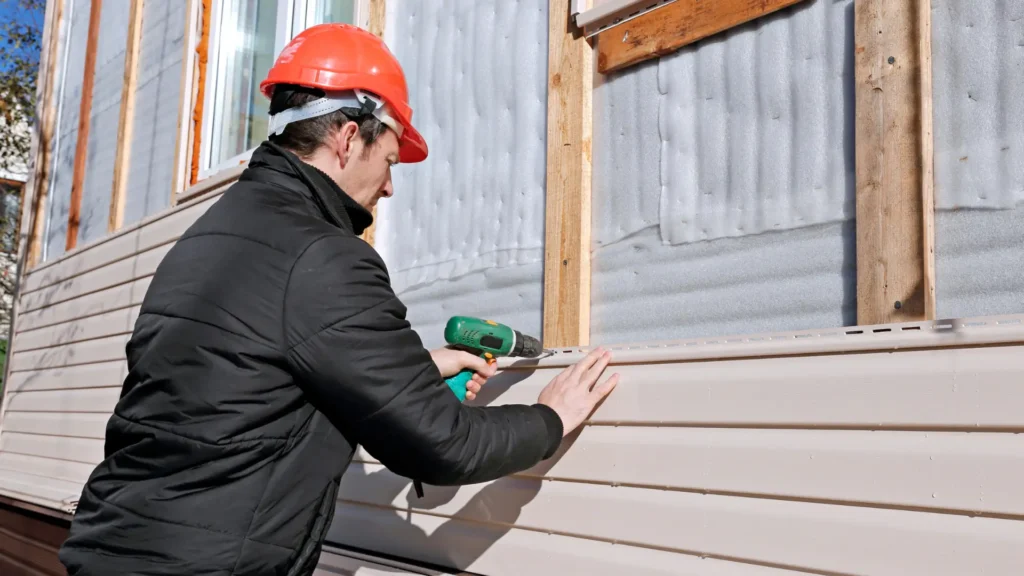
Typical Recladding Cost Range In Auckland
Homeowners across Auckland often ask what they should expect to pay for recladding, and the truth is that prices shift based on the size of the home, the material you choose, and the condition of the structure. The ranges below give you a simple starting point so you can estimate where your project may sit.
Low Range Costs
Smaller homes with straightforward layouts tend to fall in the lower bracket. A basic reclad often starts around NZD 40,000 to NZD 70,000 for a modest single-level property. When measured by square meter, the lower range usually lands between NZD 350 and NZD 450 per square meter. This applies to homes that need minimal repairs and use standard materials.
Medium Range Costs
Many Auckland homes sit in this bracket. A mid-sized family home may cost between NZD 80,000 and NZD 130,000. Per square meter, this range often falls between NZD 450 and NZD 650. These projects may involve material upgrades, some surface repairs, or parts of the structure that need attention.
High Range Costs
Larger or more complex homes, along with properties showing hidden damage, often reach the higher bracket. Full recladding for these homes can range from NZD 140,000 to NZD 200,000 or more. Per square meter, this may reach NZD 700 to NZD 1,000. Multi-storey layouts, premium materials, or extra labour can push the cost further.
Example Scenarios
- A small two-bedroom home needing light work may stay closer to NZD 50,000.
- A three-bedroom suburban home with minor repairs might reach NZD 100,000.
- A large home with water damage or custom finishes can exceed NZD 180,000.
These figures serve as general guides only. Every home has conditions that shape the final price, and quotes vary across contractors. A clear assessment from a qualified builder gives you the most accurate picture.
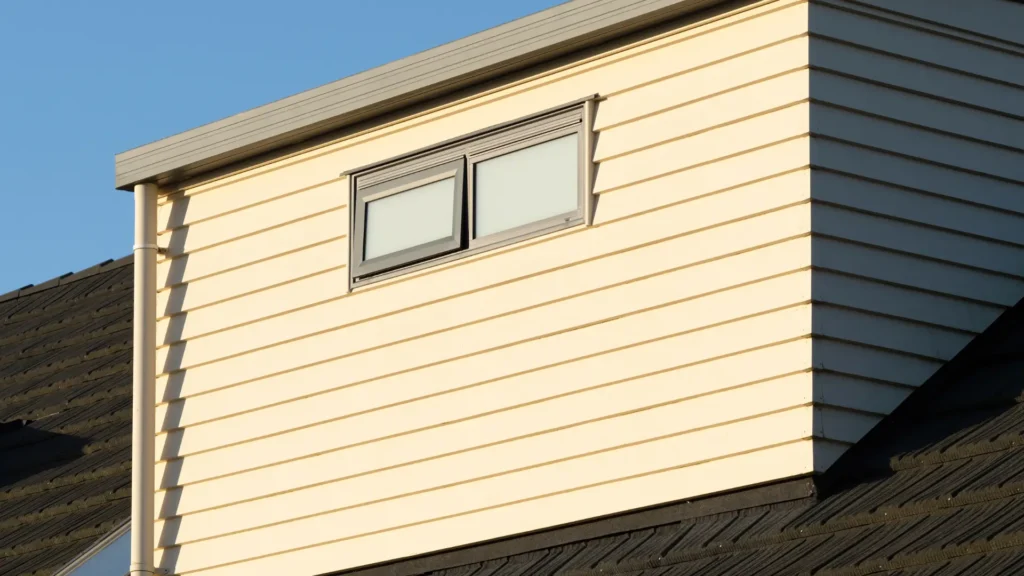
Key Factors That Affect Recladding Cost
Understanding what drives the price of a recladding project helps you plan with confidence and avoid surprises. Several elements influence the final cost, and each one plays a direct role in how much you’ll need to budget for your home.
Material Type
The material you choose has one of the biggest impacts on overall cost. Timber, weatherboard, fibre-cement, brick, and vinyl each come with different price points and maintenance needs. Timber gives a classic look but often requires regular upkeep. Weatherboard is common across Auckland and sits in a mid-range cost bracket. Fibre-cement offers strength and low maintenance at a reasonable price, while brick is durable but tends to cost more due to labour and installation time. Vinyl is a more affordable option, though it may not match the lifespan of higher-end materials. When choosing a material, think about how long you want it to last, how much maintenance you’re willing to handle, and how it fits your long-term budget.
House Size And Complexity
The size of your home directly affects labour and material costs. Larger homes require more cladding, more time, and often more workers on site. Homes with simple layouts are usually more cost-friendly, while properties with multiple stories, extensions, irregular shapes, or detailed architectural features take longer to clad and therefore cost more. Every extra corner, angle, or design feature increases the time needed for installation.
Condition Of Existing Structure
The condition of your current cladding and underlying structure plays a major role in final pricing. If the old material is damaged, it may need full removal before any new work begins. Structural issues, water damage, rot, mould, or weakened framing often require immediate repairs. These hidden problems are common in older Auckland homes and can significantly increase labour hours and material use. Contractors may uncover issues only after removing the first layers, so having a realistic allowance for extra work helps avoid stress later.
Labour And Permits
Labour rates in Auckland reflect the skill and expertise needed to complete recladding safely. Hiring trained professionals ensures your home meets current building standards, but the cost of skilled labour is a sizable part of the total. You may also need permits or council approvals depending on the scope of your project. These steps ensure the work complies with local regulations, but they add to both the timeline and the overall budget. Factoring in inspection fees and approval costs keeps your planning accurate.
Design, Finishing And Custom Work
Many homeowners choose to upgrade their home’s exterior during a recladding project. Custom finishes, architectural detailing, new insulation, and painting all influence final pricing. Even small additions like trim work or window upgrades add to materials and labour. While these extras raise the upfront cost, they often improve the home’s durability and energy performance over time. If you plan to stay in your home long term, investing in quality finishing can offer meaningful value.
Additional Costs: Waste Disposal, Scaffolding, Unexpected Repairs
Recladding involves removing old materials, and safe disposal comes with its own cost. Multi-storey homes often require scaffolding for safe access, which adds another line item to your budget. It’s also wise to prepare for unexpected repairs. Hidden dampness, older framing issues, or structural wear often surface during the process. Setting aside a contingency fund keeps your project moving without disruption.
A clear understanding of these factors helps you set realistic expectations and choose options that match your goals. When you’re aware of what drives the cost, planning your recladding project becomes much easier and far more predictable.
How To Get Accurate Quotes
A clear quote helps you understand what you will pay and what work the contractor will complete. You avoid confusion when each detail is written down before the project starts.
Measure The Full Exterior
Start by confirming the total exterior area that needs recladding. Include walls, soffits, trim, and any sections that may require extra attention. Accurate measurements give contractors a fair starting point and reduce the chance of cost changes later.
Ask For A Detailed Cost Breakdown
Request a quote that lists materials, labour, disposal, permits, and finishing. When each item is separate, you can compare prices between contractors and see where the biggest costs come from. This also helps you understand which choices affect your final budget.
Request A Contingency Allowance
Hidden damage is common in recladding projects. Ask contractors to include a contingency amount in the quote. This prepares you for any unexpected repairs such as rot, framing issues, or moisture damage that only become visible once the cladding is removed.
Check What Is Included
Confirm whether insulation, weatherproofing, and finishing work are part of the quote or added later. Some contractors separate these items, which can increase the final price if you are not aware of the extra charges. Clarity here protects you from cost surprises.
Ask About Timeframe And Living Impact
Recladding can affect daily life. Ask how long the project will take, what noise levels to expect, and whether access around your home will be limited. These details help you plan around the work and decide the best time to start.
Confirm Licensing And Local Knowledge
Choose a contractor who is licensed and understands Auckland building codes and council requirements. Local knowledge matters because compliance rules vary and mistakes can cost you more in the long run.
A clear and well structured quote sets the foundation for a smoother recladding project. Asking the right questions builds trust and helps you plan with confidence.
Ways To Save Money Without Sacrificing Quality
This section shows you how to keep recladding costs under control while still getting solid, long-lasting results. Each point helps you make choices that protect your budget without cutting corners.
Pick Durable, Cost-Effective Materials
Some materials offer long life without the high price of premium timber. Fibre-cement is a common choice because it holds up well in Auckland’s climate and needs less upkeep over time. You can lower material costs while still keeping your home protected.
Keep The Design Simple
A simple exterior layout makes installation faster and easier. Complex shapes or extra detailing often slow the job and raise labour costs. A clean design helps your builder work more efficiently and keeps your final invoice lower.
Handle Basic Prep Work Yourself
Small tasks around the site reduce the time your contractor spends on setup. Clearing plants, outdoor furniture, and items close to the walls gives the team direct access to the cladding. These simple steps can shorten the project timeline and save on hourly costs.
Combine Recladding With Other Home Upgrades
If you plan to improve insulation or repaint the exterior, doing it at the same time as recladding can limit repeat labour charges. One crew working on multiple tasks reduces callouts and setup fees. This keeps the project organized and more budget-friendly.
Gather Multiple Quotes
Prices vary from one contractor to another, so request detailed quotes that list materials, labour, repairs, and finishing. Compare each line to see where costs differ. Clear breakdowns help you spot fair pricing and avoid paying for items you do not need.
Time The Project Outside Peak Demand
Some contractors offer more competitive rates during quieter seasons. Scheduling your project when demand dips may open the door to better pricing and faster availability. Planning ahead can create a more flexible timeline and potential savings.
A little preparation and smart planning go a long way when managing recladding expenses. These steps help you stay in control while still getting quality results you can rely on.
Long-Term Value: Why Recladding Is More Than Just A Cost
Recladding does more than fix the outside of your home. It improves how your property performs, how much you spend on upkeep, and how confident you feel about long-term protection. These gains often outweigh the upfront price, and many homeowners in Auckland notice the benefits soon after the work is complete.
Improved Weatherproofing
Auckland’s climate puts pressure on older cladding. Rain, wind, and humidity can lead to leaks, mould growth, and damage within wall cavities. Fresh cladding creates a stronger barrier that keeps water out and supports the structure. When your home stays dry, you avoid expensive repairs that come from moisture problems.
Better Insulation
New cladding systems often include insulation upgrades. This helps your home hold warm air in winter and stay cooler in summer. When your home maintains stable indoor temperatures, your heating and cooling bills may drop. You also enjoy a more comfortable living space without relying on constant temperature adjustments.
Increased Property Value And Curb Appeal
Buyers value homes that look well cared for and meet modern building standards. Recladding can change the appearance of your home and make it more appealing. A well-presented exterior signals quality and reduces concerns about hidden damage. Many sellers recover a strong portion of the cost because buyers trust a home with updated cladding.
Peace Of Mind And Lower Maintenance Needs
Old cladding often needs ongoing patchwork. Small fixes can add up and still fail to solve the core problem. Recladding gives you a fresh start. You get a stronger exterior with fewer issues to monitor. With the right materials and regular checks, your home stays in good shape for years with minimal effort.
A quality recladding project gives you financial and practical benefits long after the work is done. It protects your home, supports energy savings, and keeps your property value strong.
Common Mistakes And What To Watch Out For
Many homeowners run into setbacks during a recladding project simply because they overlook details that seem small at first. A clear plan helps you stay on track and avoid expenses that can build up fast. This section walks you through the issues that often cause delays or surprise costs so you can move forward with confidence.
Underestimating Hidden Costs
Recladding can reveal problems you could not see earlier. Rotten framing, soaked insulation, or damaged building paper often show up only after the old cladding is removed. These issues add labour and materials to your budget. When you plan your project, set aside a contingency so you can handle repairs without stress. Ask your contractor to talk through the possible risks before work begins.
Picking The Cheapest Contractor
Low pricing can look tempting, yet it often reflects limited experience or shortcuts. Choose a contractor with solid credentials, proven results, and clear communication. Look at past projects, ask for references, and check that they understand Auckland building rules. A reliable professional gives you a smoother process and fewer surprises later.
Skipping Permits Or Compliance
Some homeowners try to move ahead without proper approvals, which can create setbacks during inspections and future property sales. Council consent protects your home and confirms the work meets required standards. Your contractor should guide you through each step. Following the process keeps your project legitimate and helps you avoid costly corrections.
Ignoring Auckland’s Weather
Auckland’s damp conditions demand materials that hold up well in rain and moisture. If you choose cladding unsuited to the climate, you raise the risk of leaks or early wear. Review your options with a builder who understands local weather patterns. Pick materials that deliver long-term strength and give your home reliable protection.
Not Planning For Maintenance
Every cladding type lasts longer with proper care. Regular checks, cleaning, and touch-ups keep moisture out and preserve the finish. Ask your contractor for maintenance instructions based on your chosen material. A small amount of routine work can prevent costly repairs later.
A little preparation goes a long way. When you understand these common mistakes, you set yourself up for a smoother recladding project and stronger results for your home.
Sample Budget Scenarios
This section gives you simple examples so you can picture how recladding costs change from one home to another. These are broad scenarios based on common Auckland properties and will help you see what drives the final price.
Small Bungalow
A small bungalow usually needs less material and labour, which keeps costs on the lower end. Most of the budget goes toward cladding panels, surface prep, and disposal of old materials. Work tends to move faster because access is easier and there are fewer structural surprises.
- Low estimate: A lower figure applies when the house is in good condition and needs only standard recladding.
- Mid estimate: A middle figure fits homes that need some minor repairs, paint, or trim upgrades.
- High estimate: A higher figure applies when moisture issues or framing repairs show up during removal.
Medium-Sized Suburban Home
A medium home often sits in the middle range due to increased surface area and the need for more labour. These homes may have multiple sections, entry points, or modest design features that add time to the project.
- Low estimate: A lower figure works for simple layouts with minimal damage.
- Mid estimate: A middle figure fits homes that need better insulation, paint, or small structural fixes.
- High estimate: A higher figure applies when repair work becomes more involved or when homeowners choose premium materials.
Large Or Multi-Storey House
Larger homes take more time and more expertise, especially when access is difficult. Multi-storey homes may also need scaffolding, added safety steps, and closer inspection for hidden issues.
- Low estimate: A lower figure applies only when the structure is healthy and the layout is straightforward.
- Mid estimate: A middle figure suits homes with mixed materials or areas that need corrective work.
- High estimate: A higher figure is common when the design is complicated, several repairs are needed, or premium cladding is selected.
These examples help you understand how cost varies from one property to another. As you look at your own home, think about size, access points, and its condition so you can plan with more confidence.
Ready to learn what recladding will cost for your home? Visit our website to get clear pricing, compare material options, and request a tailored quote from trusted Auckland experts.
References
- How Much Does Recladding Cost in Auckland? – Superior Renovations
https://superiorrenovations.co.nz/recladding-cost-calculator/ (Superior Renovations) - Recladding Costs in NZ: What to Expect & How to Budget – Seamless Builders
https://www.seamlessbuilders.co.nz/latest-project-and-news/cost-of-recladding-in-nz-what-to-expect-and-how-to-budget (Seamless Builders) - Home Recladding Cost Guide – Resolution Projects
https://www.resolutionprojects.co.nz/recladding-costs/ (Resolution Projects) - How Much Does House Recladding Cost in New Zealand (2025)? – Yasen Construction
https://yasenconstruction.co.nz/how-much-does-house-recladding-cost-in-new-zealand-2025/ (Yasen Construction) - Cost of Recladding a Weatherboard Home in NZ – BuilderConnect
https://builderconnect.co.nz/blog/cost-of-recladding-a-weatherboard-home-nz/ (Builder Connect NZ)
FAQs: About Recladding Costs In Auckland
What is recladding and why do Auckland homes need it?
Recladding replaces the exterior cladding on a home to fix damage, improve weather protection, and maintain structural health. Many Auckland homes need it due to moisture issues or ageing materials.
How much does recladding cost in Auckland?
Costs vary based on size, materials, and the condition of the home. Homes with hidden damage or complex layouts often sit at the higher end of the range.
What factors influence recladding costs the most?
Key factors include material choice, labour rates, house size, design complexity, structural repairs, scaffolding, and waste removal.
How long does a recladding project take in Auckland?
Timeframes depend on the scope of work. Projects with repairs or large surfaces may take longer, while simple homes move faster.
Do Auckland homes need council consent for recladding?
Many projects do. A licensed professional can confirm requirements and guide you through the process.
What materials are most common for recladding?
Common options include weatherboard, fibre-cement, brick, and timber. Each varies in cost, durability, and upkeep needs.
How can I reduce recladding costs without losing quality?
Compare quotes, choose cost-effective materials, plan early, and avoid unnecessary design extras. Keep the layout simple when possible.
Can recladding increase my home’s value?
Yes. Updated cladding improves appearance, protects the structure, and can make the home more appealing to buyers.
How do I choose the right recladding contractor in Auckland?
Look for licensed professionals with local experience, clear quotes, and strong reviews. Ask for examples of recent work.
What signs show my home may need recladding?
Common signs include leaks, peeling paint, damp areas, rot, mould, or visible cladding failure. A builder can assess the extent of damage.
Conclusion
Understanding recladding costs in Auckland becomes easier once you know what affects the price, how materials differ, and why your home’s condition plays a role, and when you plan with these points in mind you reduce the chance of surprise expenses and feel more confident moving forward. Before you choose a contractor, take time to gather detailed quotes, compare materials, and check credentials so you can see who offers real value instead of just a low number. You can also look at long-term benefits by asking about durability, maintenance, and weather performance so your investment pays off over time. If you want clearer guidance, feel free to share details about your home or ask specific questions so you can make choices that fit your goals and budget.