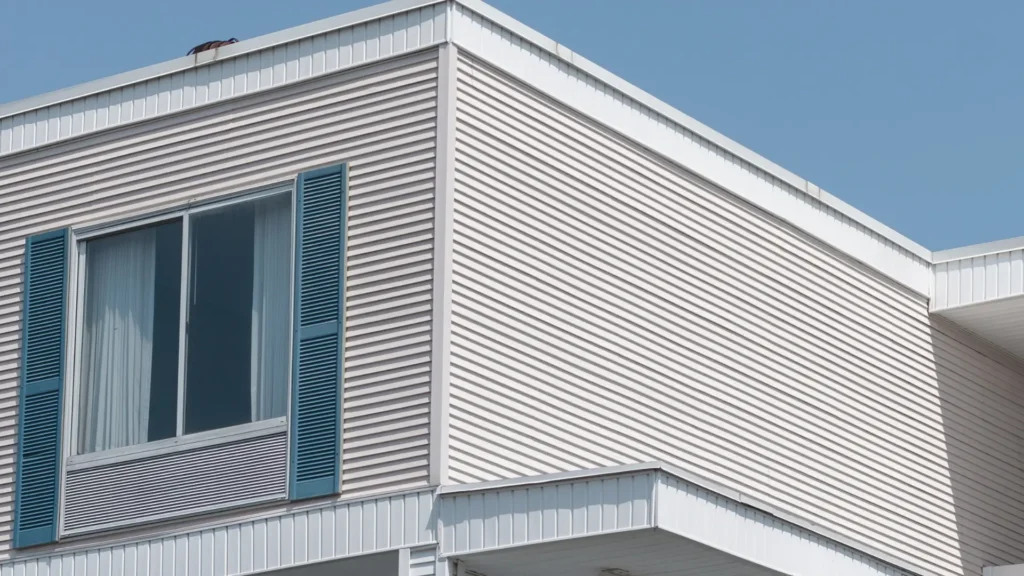
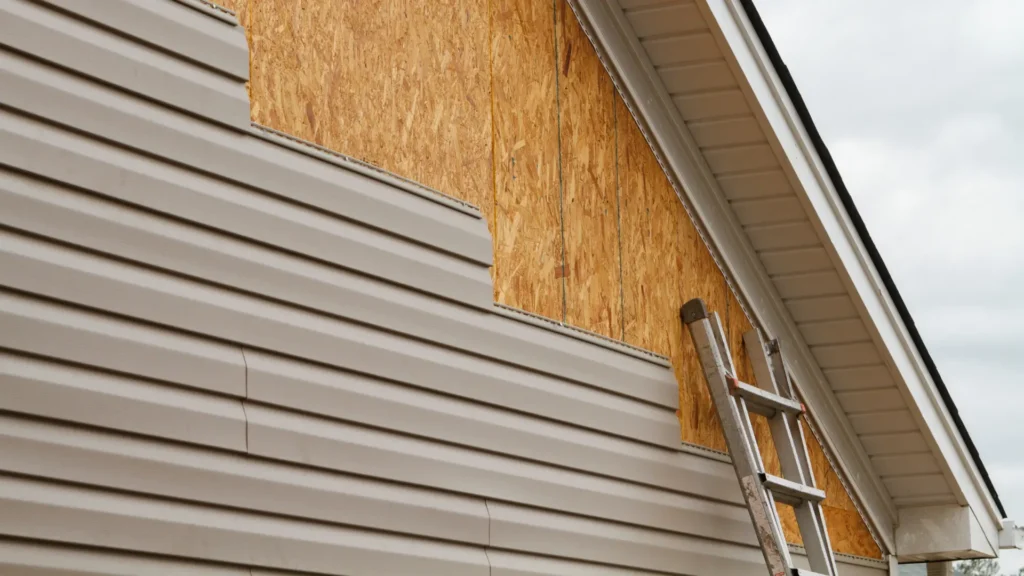
Welcome to your guide on finding the cheapest exterior cladding in NZ, where you get clear answers about low-cost options, how they perform in real Kiwi conditions, and what you should watch out for before choosing a material for your home, whether you’re renovating on a tight budget or building from scratch and want something that won’t drain your wallet, and you’ll see how different cladding types compare on price, durability, maintenance, and long-term value so you can make a choice that fits your goals without settling for poor quality.
The cheapest exterior cladding options in NZ are vinyl cladding, fiber cement boards, budget timber panels, and corrugated metal, offering low upfront costs and simple installation while still providing weather resistance for most regions. Vinyl and fiber cement tend to be the most affordable choices for homeowners wanting a balance of low price and low maintenance.
Table of Contents
What To Look For When Picking Exterior Cladding In NZ
Choosing exterior cladding in NZ calls for a careful look at your home’s conditions, your budget, and the long-term performance you expect. You want a material that stands up to the local climate, stays within your spending limit, and still looks good on your property. Each factor below shapes how well the cladding protects your home and how much care it will need over time.
Climate Considerations
New Zealand’s climate can be demanding, so it helps to match your cladding to the conditions around your home. Keep an eye on these points:
- Heavy rain levels in many regions
- Strong winds, especially in exposed or higher-altitude areas
- High humidity in warmer zones
- Salt air near coastal areas that can speed up corrosion
Homes close to the coast usually benefit from materials that resist moisture and corrosion, while inland homes may focus more on wind resistance and insulation performance.
Durability And Maintenance Needs
Every cladding type ages differently, so think about how much ongoing care you want to handle. Common factors include:
- How often you need to repaint or reseal
- Whether the material resists rot, rust, or pests
- How well it handles expansion and contraction from temperature changes
A durable material may cost a little more upfront but often saves time and money because you won’t be repairing or maintaining it as often.
Compliance With Building Codes And Weatherproofing
Cladding must meet NZ building standards to ensure your home stays safe and weather-tight. Important points include:
- Meeting local council requirements
- Providing proper moisture control
- Ensuring correct installation to prevent leaks
Working with approved materials and installers also reduces the risk of future issues such as dampness or structural damage.
Aesthetic Appeal Vs Budget
Every homeowner wants a good-looking finish, but cost plays a major role. When comparing options, think about:
- The overall style you want for your home
- Colour choices and texture
- Whether the design matches your neighbourhood or renovation plan
Some affordable materials offer clean and modern looks, while others allow you to mimic natural textures without paying premium prices.
Long-Term Value Vs Upfront Cost
A lower price at the start can be tempting, but long-term value often tells the full story. Consider:
- How long the material is expected to last
- Ongoing maintenance or repair expenses
- How installation quality affects lifespan
Sometimes paying a little more upfront reduces long-term costs because the material performs better over time.
A careful review of these factors helps you choose cladding that suits your home and your budget. When you balance climate needs, durability, compliance, style, and long-term value, you end up with a choice that protects your home while staying within your plans.
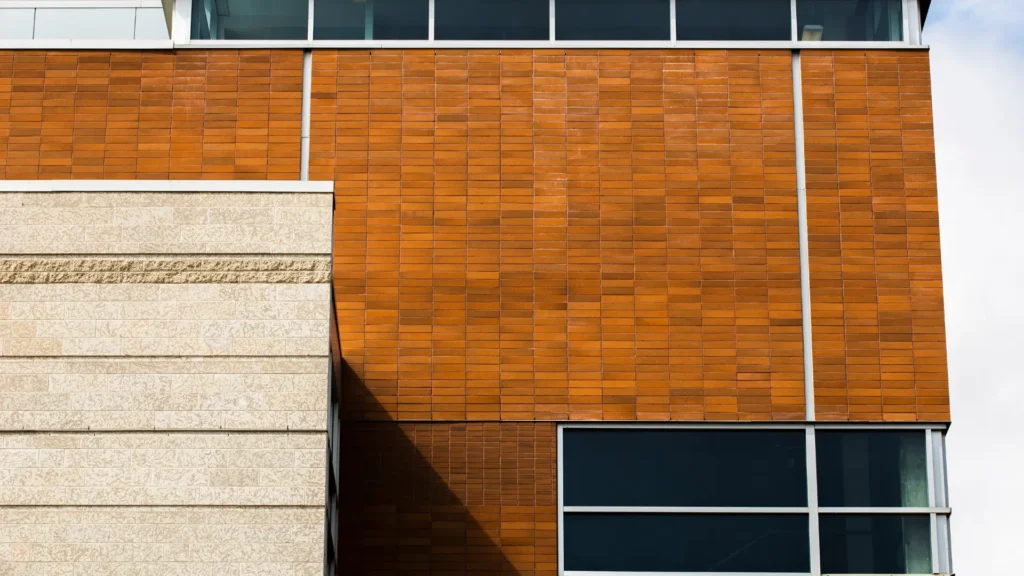
Affordable Cladding Materials – What Makes Them Cheap But Good
Choosing exterior cladding often comes down to finding a balance between cost and performance. When people talk about the cheapest cladding options in NZ, they usually mean materials that fit tight budgets without causing problems later. The goal is to keep spending low while still getting something that stands up to weather, looks clean on the home, and lasts long enough to feel worth the investment.
What “Cheap” Really Means
In this context, cheap does not mean poor quality. It refers to:
- Low upfront cost
- Low maintenance requirements
- Reasonable lifespan for the price
You get materials that fit most budgets while still delivering the protection your home needs. Many homeowners choose these options because they want predictable upkeep and simple installation rather than a premium finish.
The Trade-offs You Should Expect
Affordable cladding does come with a few compromises that buyers should keep in mind. These materials focus on function over luxury. While they work well for most homes, they may not offer the same appearance or texture as high-end products. You might notice:
- A finish that is simple instead of polished
- Fewer colour or design options
- More visible seams or joins compared to premium systems
These trade-offs are normal at this price point. What matters most is that the cladding still protects your home from rain, wind, and daily wear.
Why Price Per Square Meter Matters
Many people get caught up in material labels, thinking one type is always better than another. The real value comes from comparing price per square meter. This helps you:
- See the true cost of covering your entire home
- Understand how installation affects your budget
- Compare long-term spending instead of focusing only on the product name
Looking at cost this way gives you a clearer picture of the total investment. Two materials with similar performance can look very different once you calculate how much surface area you need to cover.
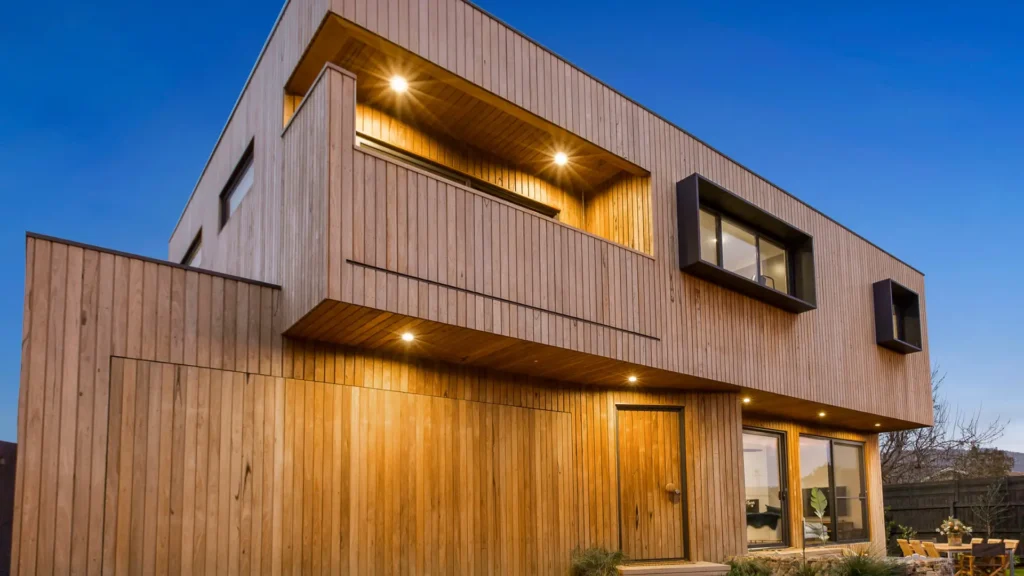
Cheapest Exterior Cladding Options In NZ
This section walks you through some of the lowest-cost exterior cladding choices available in New Zealand. Each option offers different benefits, drawbacks, and price points, so you can compare them based on your goals, climate, and long-term plans.
Fiber Cement Board / Hardiplank
Fiber cement board is a mix of cement, sand, and cellulose fibers pressed into strong exterior panels. Many homeowners choose it because it balances cost, durability, and appearance, making it a common pick for both new builds and renovations.
What It Is:
- A composite cladding material made from cement and fiber reinforcement.
- Designed to look similar to timber weatherboards without the same maintenance demands.
Typical Cost Range In NZ:
- Material and installation often sit within a moderate price per square meter.
- Costs can shift based on board thickness, brand, and labour rates.
Pros:
- Fire-resistant
- Low maintenance
- Holds up well against NZ’s mixed weather conditions
Cons:
- Heavier than many alternatives
- Needs proper installation to avoid moisture issues
- May need repainting over time
A short review of this option shows why many Kiwi homeowners pick it. You get a strong, long-lasting board that doesn’t demand much upkeep while staying within a reasonable budget.
Vinyl Cladding / PVC Weatherboarding
Vinyl cladding is a lightweight PVC-based exterior material designed to offer a cost-effective and low-upkeep solution. It appeals to homeowners who want a simple system that installs quickly and fits tight budgets.
What It Is:
- A PVC product shaped into weatherboards for residential exteriors.
- Built to resist moisture and pests.
Cost Estimates:
- One of the most affordable cladding materials in NZ.
- Price varies with board quality, colour, and installation method.
Pros:
- Very low cost
- Easy installation
- Low maintenance
- Resistant to rot and pests
Cons:
- Less premium appearance
- Colour may fade with long-term sun exposure
- Shorter lifespan than high-end materials
Vinyl is appealing if you want a budget-friendly material with minimal upkeep. While it won’t offer a premium look, it handles day-to-day weather well when installed correctly.
Corrugated Metal / Steel Cladding
Corrugated metal cladding delivers a tough, modern exterior suitable for a range of home styles across NZ. Many people know it through Colorsteel or similar coated steel brands that offer good performance in coastal and inland areas.
What It Is:
- Steel sheets formed into corrugated or flat panels.
- Coated finishes protect the metal from corrosion and weather.
Cost Range:
- Priced mid-range per square meter depending on thickness, coating, and brand.
- Installation is usually quick, which helps reduce labour costs.
Pros:
- Very durable
- Low maintenance
- Suitable for coastal climates
- Quick installation
- Modern appearance
Cons:
- Panels can dent from impact
- May rust over long periods if not cared for
- Might need insulation or sound control additions
This option suits homeowners wanting strength, a clean exterior look, and a faster installation process. It performs well in many NZ environments when maintained properly.
Timber Alternatives (Low-Cost Wood / Compressed Wood Panels)
Timber alternatives offer a natural look without the high price tag of premium timber boards. These products can include pre-treated softwoods or compressed wood panels built to mimic traditional cladding.
What They Are:
- Budget timber boards or engineered wood products.
- Often sourced locally to reduce cost.
Costs:
- Lower upfront price than premium hardwoods.
- Ongoing maintenance may affect long-term spending.
Pros:
- Natural appearance
- Often cheaper when using locally sourced timber
- Suitable for DIY installation
Cons:
- High maintenance needs
- Risk of rot or warping if left untreated
- Climate changes can increase upkeep demands
Timber options work well if you enjoy a natural style and don’t mind regular sealing or painting. They remain popular with DIY renovators who want a traditional look without high upfront expenses.
Recycled Or Second-Hand Materials / Mix-And-Match Approach
Recycled and second-hand cladding options give budget-conscious homeowners a way to save money while reducing waste. These materials might include reclaimed timber, leftover metal panels, or reused weatherboards from relocatable homes.
Material Sources:
- Reclaimed timber
- Leftover panels from other projects
- Second-hand or salvaged building components
Cost Savings:
- Significant reduction in material costs
- Potential for very low per-square-meter pricing depending on the source
Pros:
- Eco-friendly choice
- Big savings potential
- Creates a unique look
Cons:
- Quality varies
- Hidden defects may appear during installation
- Limited supply
- May require more labour to prepare
This route appeals to homeowners who enjoy creative solutions and want to keep costs low while giving their home a distinctive exterior.
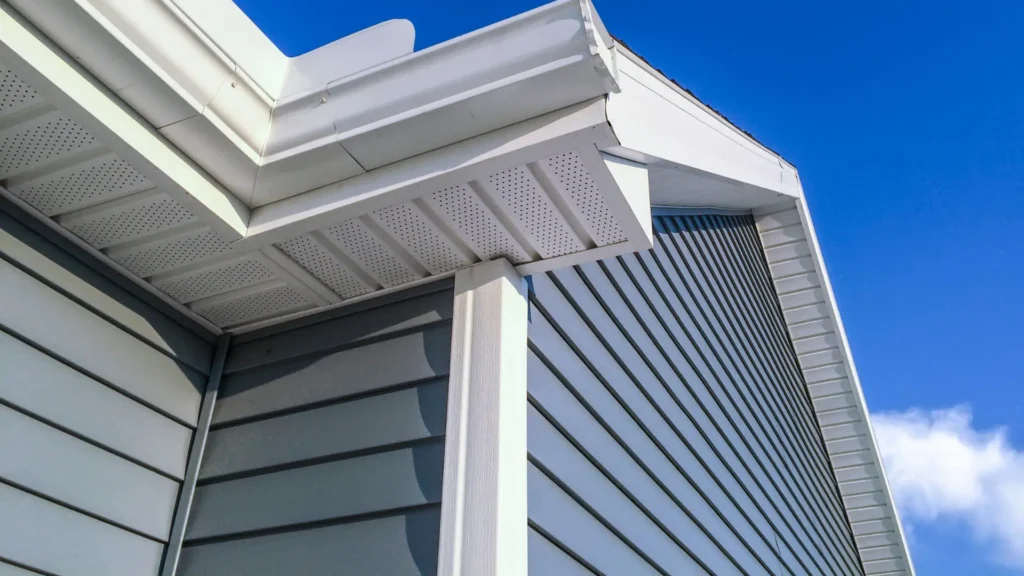
How To Estimate Real Costs In NZ
When you plan exterior cladding for your home, you want a clear idea of what the final bill might look like. This section walks you through simple steps to measure your exterior, understand the main cost layers, and compare common materials used across New Zealand. You get a practical view of what to expect so you can budget with confidence.
How To Calculate Square Meters For A Typical NZ Home Exterior
You first need to know how much cladding your home requires. This is the base number every supplier and builder will ask for.
- Measure the full length of each exterior wall.
- Measure the height from the foundation line to the soffit.
- Multiply length by height to get the square meters for each wall.
- Subtract the space taken up by windows and doors for a more accurate total.
Once you have the final figure, you can start building a realistic cost estimate.
Key Cost Factors To Include
Every cladding project in NZ carries more than just the material price. Make sure your estimate includes the following:
- Material cost per square meter.
- Installation or labour rates.
- Painting or sealing if the product requires finishing.
- Insulation or underlay costs.
- Warranty coverage and any long term maintenance expenses.
Adding these items gives you a full picture rather than a rough guess.
Example Cost Breakdown For A 150 m² Exterior Wall
To help you compare options, here is a simple breakdown using three common materials. The numbers are approximate and vary by region, brand, and installer.
Vinyl Cladding
- Material: low to mid price range per m²
- Installation: moderate cost depending on wall complexity
- Painting or sealing: not usually needed
- Insulation: optional depending on home design
- Warranty: often covers colour fade and cracking
Corrugated Metal
- Material: mid price range per m²
- Installation: quick but requires trained installers
- Painting or sealing: colour-coated products usually come ready to install
- Insulation: recommended to manage heat and sound
- Warranty: often strong for corrosion and colour retention
Fiber Cement
- Material: mid to high price per m²
- Installation: higher due to weight and handling requirements
- Painting or sealing: usually required
- Insulation: optional but common
- Warranty: varies but often covers structural performance
These examples show how two products with similar material costs can still differ once you factor in labour and finishing.
Why You Should Get Multiple Quotes
Prices can shift from one supplier or builder to another. Getting at least two or three quotes helps you compare installation timeframes, material options, and warranty coverage. It also gives you a clearer sense of what a fair market price looks like in your area.
A bit of time spent gathering accurate measurements and quotes can save you from costly surprises later on.
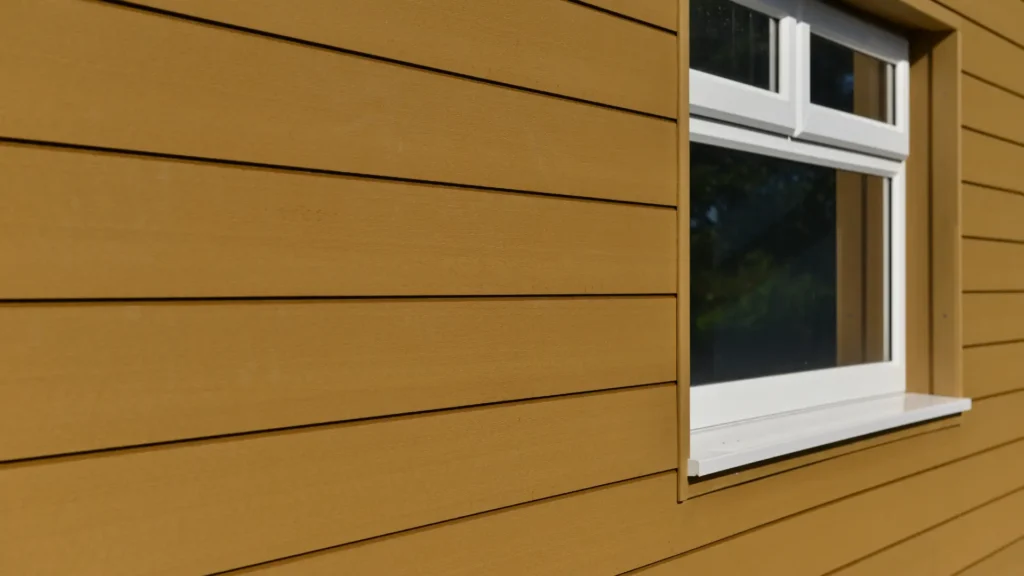
Tips To Save More Without Sacrificing Quality
This section helps you cut cladding costs while keeping your home protected. You get simple steps that make a real difference in your final budget without lowering the standard of your build.
Prioritize Long-Term Maintenance Cost Over Upfront Price
Choosing the cheapest product at checkout often leads to higher bills later. Some materials look budget friendly at first but need frequent repainting or repairs. Others cost a little more but stay in good shape for years. You save more when you compare how much upkeep each option needs after installation. Ask suppliers about repaint cycles, cleaning needs, and replacement timelines to see the real price of each choice.
Mix Materials to Reduce Overall Cost
Using one material across the entire house can raise your total spend. A mixed approach gives you more control over cost without lowering durability.
- Metal or fiber cement on the ground floor for strength
- Cheaper timber or panels on upper sections
This blend still gives your home a clean finish and helps you trim hundreds from the project.
Handle Simple DIY Prep Work If You’re Comfortable
You can lower labour costs by taking care of small tasks that don’t need a builder.
- Sanding
- Priming
- Painting or sealing
These steps take time, but they cut down the hours a tradesperson needs to spend on your project. Only do what you feel confident about and leave structural or weatherproofing work to a licensed professional.
Buy Off-Cuts or Leftover Panels
Many suppliers carry leftovers from big jobs or opened packs that still meet quality standards.
- Off-cuts
- Short panels
- End-of-line stock
Ask staff about discounted piles or seconds. These pieces can be perfect for small walls or areas that don’t need full-length panels.
Time Purchases Around Sales or Slow Seasons
The building industry moves through busy and quiet periods. During quieter months, suppliers often drop prices or offer seasonal deals.
- Winter months
- End-of-year stock clearance
- New product launches that replace older lines
Planning ahead helps you lock in better prices across materials and accessories.
Use Warranty or Guarantee To Lower Long-Term Cost
Some products cost slightly more but come with strong coverage that protects you from early wear.
- Extended product warranty
- Weatherproof performance guarantee
- Colour fade protection
These policies reduce your risk and cut the chance of paying for replacements too soon.
A few smart choices can stretch your budget a long way while still giving your home the finish you want. If you compare upkeep needs, look for smart buying windows, and mix materials where it makes sense, you keep quality in place without blowing your budget.
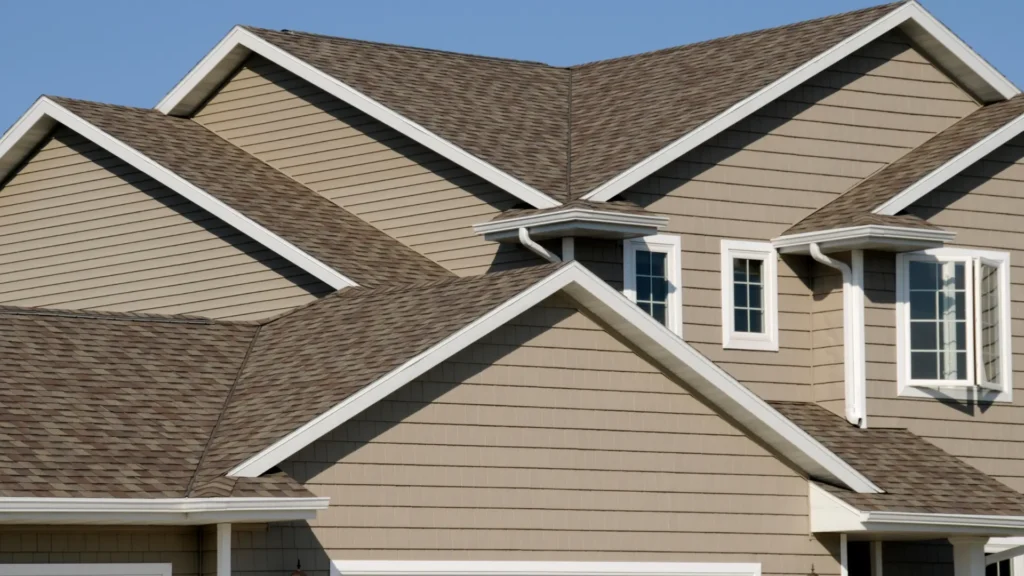
Common Mistakes To Avoid When Going Cheap
Choosing low-cost cladding can work well, but only when you understand the risks that come with cutting corners. Many homeowners focus only on the price tag and overlook factors that affect performance, maintenance, and long-term value. The points below help you stay clear of the mistakes that often lead to higher costs later.
- Choosing the lowest-cost material without checking durability:
Some materials look cheap upfront but struggle in harsh rain, coastal wind, or high humidity. When a product isn’t designed for your climate, you deal with warping, moisture issues, and early replacement. - Skipping proper sealing or painting:
Budget cladding still needs weather protection. Without sealing or paint, moisture gets into gaps and weakens the structure. This leads to mould, rot, and ongoing repairs you could have avoided. - Under-insulating the exterior:
Failing to add enough insulation reduces energy efficiency and raises heating costs. Thin or poorly fitted insulation also affects indoor comfort. - Choosing DIY installation for complex materials:
Some cladding types require precise fitting. A small mistake can create gaps that cause leaks, drafts, or structural damage. Labour savings disappear fast when repairs are needed. - Ignoring building code or council rules:
Local regulations exist to protect your home’s safety and performance. Using materials that don’t meet code often leads to failed inspections, forced replacements, or delays in approval. - Overlooking long-term costs:
Cheap materials sometimes need more upkeep. Repainting, sealing, or replacing faded panels adds up. A product that costs slightly more upfront may save you money over time.
Making a smart cladding choice means looking beyond the cheapest option and thinking about weather conditions, upkeep, and installation quality. With a bit of planning, you keep your project affordable without sacrificing performance.
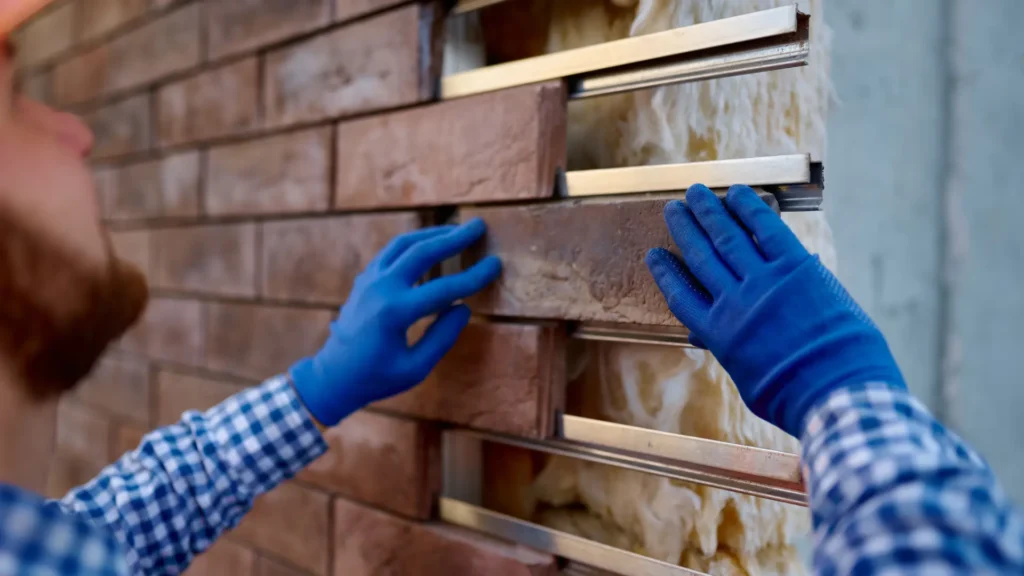
Quick Comparison Table Of Cheapest Cladding Options
This table gives you a simple way to compare each cladding type so you can judge price, strengths, weaknesses, and the homes they suit best.
| Material | Approx Cost (NZ$ / m²) | Pros | Cons | Best For |
| Vinyl or PVC | Low | Budget friendly, low maintenance | Fade over time, shorter lifespan | Budget homes, fast installation |
| Fiber Cement | Mid to low | Fire resistant, weather resistant, long lasting | Heavy, requires skilled installation | Coastal areas, family homes |
| Corrugated Metal | Variable | Durable, modern look, quick to install | Can dent, may rust over long periods | Coastal builds, modern home designs |
| Budget Timber or Compressed Panels | Low to mid | Natural appearance, DIY friendly | High maintenance, risk of rot | Rural homes, rustic projects |
| Recycled or Second Hand | Very low | Cheap, eco friendly, unique style | Quality varies, more labour needed | Eco focused renovations |
This table gives you a snapshot of how each material compares so you can choose the option that fits your budget and the look you want for your home.
If you want pricing guides, expert tips, and a full breakdown of the best budget-friendly cladding options in NZ, click through to our website and get the insights you need before you spend a dollar.
References
- Cheapest Exterior Cladding In NZ: Top Options & Cost Guide
https://claddingspecialistswellington.co.nz/cheapest-exterior-cladding-nz/ claddingspecialistswellington.co.nz - Cheapest Exterior Cladding In NZ: Best Options For Your Home
https://builderconnect.co.nz/blog/cheapest-exterior-cladding-nz/ Builder Connect NZ - Wall Cladding Types & Prices – Choosing a Cladding in NZ
https://arcline.co.nz/wall-cladding-types-prices/ Arcline - 9 Different Types of Cladding in New Zealand: Pros and Cons
https://archipro.co.nz/article/what-are-the-different-types-of-cladding-a-complete-guide-to-residential-cladding-archipro ArchiPro - Top Exterior Cladding Materials for NZ Homes
https://www.servicetasker.co.nz/blogs/top-exterior-cladding-materials-for-nz-homes servicetasker.co.nz
FAQs: About Cheapest Exterior Cladding In NZ
What is the cheapest exterior cladding option in NZ?
Vinyl cladding and fiber cement boards are often the lowest-cost choices for most NZ homes. Both offer good value and simple installation.
Is cheap cladding still durable in NZ weather?
Some low-cost materials hold up well if installed and maintained correctly. Fiber cement and metal panels offer strong weather resistance.
How much does exterior cladding cost in NZ?
Prices vary by material, but budget options can start at the low end per square meter. Total cost depends on labour, prep work, and finishes.
Is vinyl cladding a good choice for New Zealand homes?
Many homeowners choose it for the low price and low upkeep. It works best in areas with moderate conditions and when colour fade is not a concern.
Are timber cladding options affordable?
Some timber products can be lower in price, though they often need more upkeep and ongoing treatment, which adds to long-term cost.
What is the most durable low-cost cladding?
Corrugated metal offers strong durability and can be cost-effective for many NZ builds, especially when paired with good insulation.
Can I install cladding myself to save money?
DIY is possible with some materials, but mistakes can lead to leaks or damage. Many homeowners choose professional installation.
What factors affect cladding cost?
Material type, labour, insulation, coatings, weatherproofing, and home size all play a part in total spending.
Does cheaper cladding lower a home’s value?
Not always. A tidy, well-installed product can improve appearance and function. Poor installation or low-grade materials can hurt value.
How do I choose the right cladding for my budget?
Compare upfront cost, upkeep needs, local climate, and long-term value. Getting a few quotes helps you make a smarter choice.
Conclusion
Choosing the cheapest exterior cladding in NZ isn’t about settling for low quality; it’s about understanding the trade-offs and picking an option that suits your budget, your home, and your long-term plans, and when you weigh cost alongside durability, maintenance needs, and the look you want for your property, you give yourself a stronger chance of making a choice that holds up over time. Getting a few local quotes helps you compare real numbers rather than guessing, and it also shows you how much installation or prep work can shift the final price. It’s worth looking at how much upkeep you’re willing to take on, how your climate affects different materials, and what kind of design fits the rest of your home. Before you commit, take a moment to match your needs with what each cladding type offers so your decision feels confident and practical.